

Today, we’re looking at some of the best superfoods for cats and how they might support your pet’s wellbeing. We’ve also got tips on how to safely add them to your kitty’s diet.
What do we mean by a superfood for cats?
Rather than simply reel off a list of cat superfoods, we want to start with a discussion about the term. You’ve probably seen the word ‘superfood’ used a lot, whether in relation to human health or that of our pets. And it’s important to note that this is not a scientific term – it’s a marketing one. The first recorded use of the word is from an advertising campaign to promote bananas in the early 20th century.(1) The key point is that there’s no official definition or scientific standard a food must meet for people to call it a superfood.
Does that mean there’s no such thing as superfoods for cats? Not exactly. It simply means that we need to be realistic about what they are. There are no magic ingredients that will solve all your kitty’s health problems or make them immune to illness. However, there are certain foods that are better for their wellbeing than others. And by adding them to your fluffy friend’s diet, you can help keep them in pawsome health! Just don’t rely on such foods as your sole tactic. Regular vet visits, good grooming, and lots of playtime for exercise and mental stimulation are also crucial for feline wellness.
-
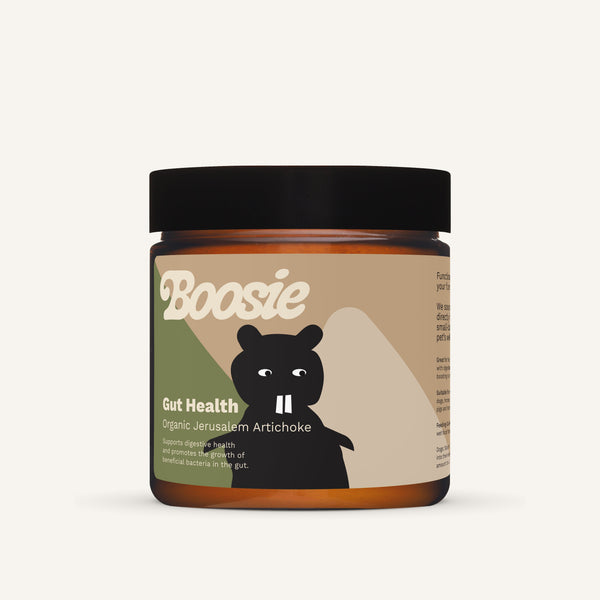
Organic Jerusalem Artichoke Powder
-
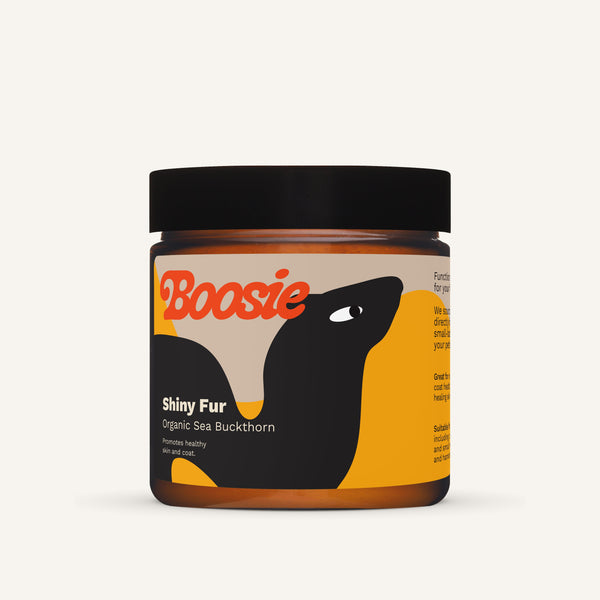
Organic Sea Buckthorn Powder
Kitty nutrition 101
To understand the role of superfoods for cats, we first have to know a bit more about feline nutrition. Unlike dogs, moggies are obligate carnivores, which means they need specific nutrients that they can only obtain from meat. These include amino acids like taurine, arginine and arachidonic acid, plus vitamins A and B12. This doesn't mean kitties can’t eat anything other than meat, but it must make up the bulk of their diet.
The other thing to remember is that not all human foods are safe for our feline companions to eat. So the fact that an ingredient is healthy for us doesn’t mean it automatically counts as a superfood for cats. For example, grapes, dark chocolate, garlic, citrus fruits, onions, leeks, raisins, and many nuts and seeds are harmful to kitties. This means it’s really important to research a food thoroughly before offering it to your pet. No matter how much they seem to want to try it!
Why superfoods matter for cats
If you choose a high-quality ‘complete’ cat food, it should contain all the nutrients your moggy requires to be healthy. In which case, why worry about finding superfoods for cats to add to their diet?
Well, they can be a useful way to give your fluffy friend an extra boost of nutrition. Each one has their own specific wellness benefits, from aiding digestion to supporting the immune system. This could be helpful if your kitty has an existing medical condition or is susceptible to certain health problems. Even small additions to their meals can have advantages for feline wellbeing.
Knowing more about superfoods for cats could also make it easier to decide which brand of food to choose. Many premium varieties include some of the ingredients we’re going to talk about in their kibble and wet food. Alternatively, it gives you some options for healthy treats you can offer your fur baby. One caveat to this is that we recommend only feeding these foods as snacks to adult cats. Kittens have more delicate digestive systems, so are more likely to have tummy troubles when trying new ingredients. As such, it’s best to check with a vet before offering them any of these superfoods for cats.
So, what makes something a superfood for cats? Being rich in one or more nutrients that support their wellbeing. That could be macronutrients like protein and fibre, or micronutrients like omega-3 fatty acids or antioxidants. Here are six of the best superfoods for cats to add to your feline friend’s diet.
1. Fish – jam-packed with omega-3
We’ll start with an obvious one! It will be no surprise to anybody that fish is top of the list of superfoods for cats. Species like salmon are rich in omega-3 fatty acids that support the health of your kitty’s eyes, skin, and fur. Omega-3 also tackles inflammation, reducing the risk of chronic disease and supporting joint health.(2) Fish is additionally high in protein and other key nutrients.
When offering your kitty fish, make sure you cook it properly and remove any bones and skin. Don’t give your pet any fish that’s smoked, seasoned, or fried. It’s best to avoid raw fish as well, because this may contain harmful bacteria. Cooking fish also inactivates an enzyme called thiaminase, which breaks down thiamine and can cause a deficiency in the vitamin. And, as with all superfoods for cats, only give it to your moggy in moderation. Too much can lead to weight gain and even mercury poisoning (depending on the species of fish).
2. Cat grass – a natural hairball remedy
We don’t tend to think of cats as animals who eat grass, but it’s actually a common behaviour for them.(3) And home-grown cat grass is a safer alternative to nibbling on grass outside, because it’s free from pesticides and weedkillers. Experts aren’t entirely sure why our kitties feel an instinctive draw to munching on grass. However, we do know it offers several benefits and therefore deserves a spot on this list of superfoods for cats.
First, cat grass is rich in key nutrients. These include folic acid – which supports cell growth and the production of haemoglobin – and chlorophyll. Second, it can aid your kitty’s digestive system. Grass acts as a natural laxative, helping to keep things moving and ease or avoid constipation.
Moggies often vomit after eating grass, which might lead you to think it’s not good for them. However, this is actually the third benefit of the ingredient. Some experts theorise that it helps cats to expel any non-digestible materials from their stomach. For example, that could be feathers and small bones from their prey, or hairballs.
If your pet is eating an excessive amount of grass, it’s best to take them to the vet as it may be a sign of an underlying medical problem. And try not to let your cat munch very long pieces of grass. Because they can’t digest the fibres, this could cause an intestinal blockage.
3. Eggs – protein powerhouses
Eggs are a complete source of protein and contain several amino acids, like taurine, that are key for feline wellness. They’re also rich in healthy fats, such as omega-6 fatty acids, which support skin health, immunity, and energy production. Another reason eggs made the list of superfoods for cats is that they provide many important vitamins and minerals. These include vitamins A, B12 and D, as well as choline, iron, zinc and selenium.
You can feed your kitty small amounts of scrambled or boiled eggs, but you should never serve them raw. This is because eating raw eggs can cause a bacterial infection. Make sure you don’t add any salt or other seasonings either, as these can be harmful to your pet’s wellbeing. Allow the cooked egg to cool, remove any shell, then mix it into your moggy’s normal meal. Moderation is key, because eggs are high in fat and can lead to weight gain in our feline friends.
4. Cranberries – supporting urinary tract health
These vibrant red berries earn their place on our list of superfoods for cats because they’re bursting with vitamin C and other antioxidants. As such, they can help to fight oxidative stress and inflammation, plus support your pet’s immune system.
Perhaps most famously, cranberries provide compounds that have advantages for urinary tract health in both humans and other animals. Research has found that the berries could be useful in treating and preventing urinary tract infections in our cats.(4) One reason for this is that they contain proanthocyanidins, which prevent bacteria from adhering to their urinary tract walls.
Lots of cat foods and treats include cranberries, but you could also try offering your kitty fresh berries. Alternatively, add pure cranberry powder to their wet food. However, you should never feed your pet cranberry sauce, juice, or similar foods. That’s because these are frequently high in sugar or artificial sweeteners and can be harmful to moggies.
5. Pumpkin – rich in tummy-friendly fibre
Pumpkin is another plant you often see included in cat food. It’s loaded with fibre, which helps support digestion and could ease both constipation and diarrhoea in our pets.
What’s more, pumpkin belongs on this list of superfoods for cats because of its impressive vitamin and mineral content. The ingredient is rich in vitamin A, which our kitties need to look after their vision and immune system. It also contains vitamins C and K, plus minerals like potassium and phosphorus. These all contribute to our moggies’ wellbeing.
If you want to try offering your cat pumpkin as a snack, make sure it’s properly cooked and unseasoned. Never give your pet spiced pumpkin, pumpkin pie, or similar foods. They can have pumpkin puree or canned pumpkin, as long as it doesn't contain any sugar, seasoning, or other additives. Alternatively, try our Jerusalem artichoke powder as an easy way to add gut-friendly prebiotic fibre to your cat’s diet.
6. Blueberries – bursting with antioxidants
People often tout blueberries as a superfood for humans thanks to their high levels of antioxidants. And interestingly, that’s why they count as a superfood for cats too. The fruit helps to neutralise free radicals, protecting against cell damage and supporting your kitty’s immune system and joint health. It’s rich in potent flavonoids, as well as vitamins C, E and K. Plus, like pumpkin, they contain fibre to aid with digestion.
You’ll find blueberries in many premium cat foods, but you can also feed your moggy fresh berries. One or two is plenty because they’re quite sweet, and too much sugar in your pet’s diet can lead to issues like diabetes. Always wash blueberries before offering them to animals, and cut up or mash them so they’re not a choking hazard. Conversely, never give your pet blueberry jam, blueberry muffins, or other such sugary foods. If you’re looking for a more unusual but equally beneficial berry for your cat, you might like to try our sea buckthorn powder.
How to safely add superfoods to your cat’s diet
We’ve included some safety tips for each individual superfood for cats above. However, there are also some more general guidelines to consider when adding any of them to your pet’s diet. First, it’s best to introduce one new food at a time. An abrupt change in diet might result in tummy troubles for your kitty, or even put them off eating entirely. Likewise, only give your fur baby these ingredients in small amounts. That’s both to avoid digestive issues and to prevent weight gain.
If your cat has an existing health condition or is on medication, consult a vet before offering them these foods. This is to ensure they’re suitable for their needs, and that your moggy won’t experience any side effects or interactions. Speaking of side effects, there’s a possibility that your kitty could be allergic to some of these superfoods for cats. Monitor your pet when giving them new ingredients and take them to the vet if you notice any negative reactions.
Finally, these superfoods for cats are not replacements for either meals or medications. Think of them as a supplement to support their overall health instead.
Final thoughts on cat superfoods
Superfoods for cats aren’t panaceas, but they can be an effective and easy way to support your kitty’s wellbeing. Just remember that every moggy is different, and it may take some experimentation to find a healthy ingredient yours enjoys! However, we're sure all pet parents will agree that the effort is worth it to help our beloved felines thrive.


