

If a vet has diagnosed your beloved pup with pancreatitis, one of the first things you’ll need to do is examine their diet. Finding a suitable dog food for pancreatitis helps reduce the risk of the condition arising, returning, or getting worse. In this post, we’ll talk about what to feed a dog with pancreatitis and how to support their recovery.
What is pancreatitis in dogs?
Before we discuss what to feed a dog with pancreatitis, it will be helpful to learn more about the condition. Your pup’s pancreas sits in their abdominal cavity, and it’s responsible for producing insulin and digestive enzymes. As such, it’s crucial for both balancing blood glucose levels and digesting your pooch’s dinner.
Pancreatitis occurs when the organ becomes inflamed and doesn’t function in the way it should. The digestive enzymes it produces activate prematurely, damaging the pancreas, other organs, and surrounding tissue. Essentially, the pancreas is digesting itself. This may happen for several reasons, including a fatty diet, genetic predisposition, stress, certain medications, and medical conditions like obesity.(1) That gives you an indication of why it’s important to choose the right dog food for pancreatitis.
The condition can be either acute (sudden onset) or chronic (developing slowly over time). In both cases, the most common symptoms of pancreatitis in dogs include:
-
Nausea
-
Abdominal pain
-
Bloating
-
Vomiting
-
Diarrhoea
-
Fever
-
Lack of appetite
-
Dehydration
-
Weakness
-
Lethargy
You might notice your pup hunching over or adopting a ‘prayer position’. This is where they lower their head and front legs and stick their rear end up in the air. They do this to try and alleviate the pain they’re feeling in their abdomen. In very severe instances, animals may collapse or go into shock.
If you spot any of these symptoms in your pooch, take them to the vet straightaway. The majority of pups will require professional medical attention – switching to dog food for pancreatitis won’t be enough. Early diagnosis and quick treatment give your pet the best chance of recovery.
-
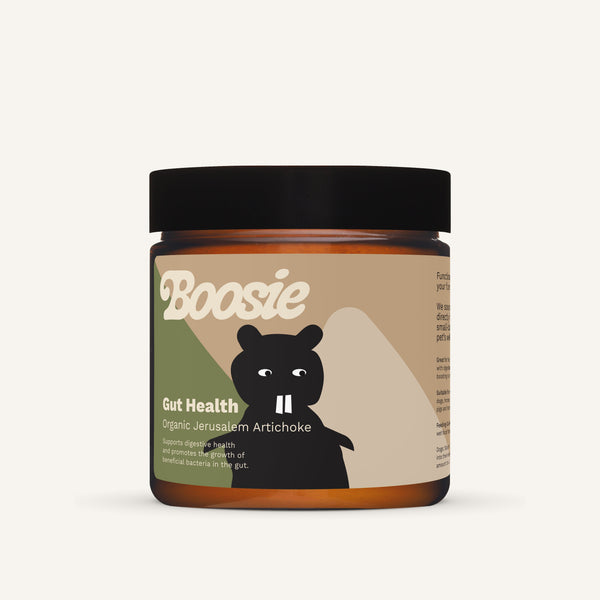
Organic Jerusalem Artichoke Powder
-

Organic Turkey Tail Mushroom Powder

Why diet matters for dogs with pancreatitis
It’s possible for just one large fatty meal (or raid of the bin!) to trigger pancreatitis in dogs. We mentioned that the pancreas produces digestive enzymes, and this includes those that break down fat. When your pooch eats a high-fat meal, the organ has to work harder to produce enough of those enzymes. This excess strain on the pancreas may lead to inflammation and damage.
Choosing a low-fat dog food for pancreatitis can lessen the burden on the organ. This both supports the healing process and lowers the risk of another flare-up occurring. Many pups who have had the condition experience repeated bouts of it. As such, food choices are important both during their recovery and afterwards. And remember that when we talk about the influence of pancreatitis in a dog’s diet, treats and snacks count too!
An additional factor to consider is that obesity raises the risk of your mutt developing pancreatitis (and other medical problems). Alongside exercise, diet plays a vital role in helping your pet reach and maintain a healthy weight.
We know that offering your pooch high-fat food, treats, or table scraps is out. So, what can you put on the menu instead? Here’s what to feed a dog with pancreatitis.
What is the best dog food for pancreatitis?
There are a few key criteria to consider that will help you find the best dog food for pancreatitis. The first is that it should be low in fat. This is true even if fatty food wasn’t the initial trigger for your pet’s condition. A low-fat dog food for pancreatitis is generally under 10% fat on a dry-matter basis, and definitely no more than 15%.
You want to choose dog food that contains moderate amounts of high-quality, lean protein, such as turkey, chicken, or certain types of fish. These have less fat than proteins like beef or lamb, so are easier on the pancreas. For carbs and fibre, look for healthy and easily digestible ingredients such as rice, peas, and sweet potato.
Some experts also suggest avoiding foods that have too many ingredients. This can help reduce the risk of triggering allergies, food sensitivities, or other negative symptoms. For example, cheap brands may contain artificial flavours, colourings and preservatives that offer no nutritional value. In fact, we recommend steering clear of these even if your pet is perfectly healthy!
Opting for wet food rather than dry could also be beneficial thanks to its higher water content. Many dogs with pancreatitis suffer from dehydration because of symptoms like nausea, appetite loss, vomiting and diarrhoea. Wet food helps them stay hydrated and may make meals more palatable. Don’t worry if your pooch prefers kibble though! You can offer them vet-approved dry dog food for pancreatitis instead. Just ensure they have plenty of fresh water available too.
You have two main options open to you when choosing a dog food for pancreatitis: prescription diets and homemade meals. Here’s an overview of each.
Veterinary prescription diets for pancreatitis
The easiest choice of what to feed a dog with pancreatitis is a veterinary prescription food for the condition. These are specifically formulated to be low fat while still providing all the nutrients your pet requires to be healthy. This gives you the reassurance that your pooch’s meals are both balanced and easy on their pancreas.
You’ll notice that vet-approved dog food for pancreatitis often focuses on other aspects of digestive health too. For example, it might contain prebiotic fibre to nourish the good bacteria in your pup’s gut. Other common additions are antioxidants to support the immune system and omega-3 fatty acids to tackle inflammation. You can also get special low-fat treats for pups with pancreatitis, so your pooch doesn't have to miss out!
The only real downsides to this option are that these foods may be more expensive and less convenient to buy. However, if your vet recommends a prescription dog food for pancreatitis, we strongly encourage you to follow their advice. This condition is often a recurring one, so it’s important to try and reduce the risk of repeated bouts.
Home-cooked meal options
With the proper research, it’s possible to make your own dog food for pancreatitis from scratch. This could consist of low-fat and easily digestible ingredients like boiled lean chicken, white rice, carrots, peas, and pumpkin. A key point to remember is not to use any added fats, oils, or seasonings. This is not only to avoid putting stress on the pancreas, but also to ensure the food is safe for canine consumption. Some common ingredients that are toxic to pups include onions, garlic, leeks, macadamia nuts, chocolate, avocados, grapes and raisins.
Getting the balance of nutrients right in homemade dog food is difficult, as is judging how much grub to serve.(2) Because of this, we strongly recommend working with a vet or pet nutritionist if you choose this option. They can help make sure your pooch gets all the vitamins and minerals they require, and in the correct amounts. Plus, they’ll advise you on other factors like portion sizes and supplements.
Bear in mind that making your own dog food for pancreatitis will be more time-consuming than purchasing prescription food. Depending on the ingredients you use, it might even be more expensive as well. A good compromise could be adding your own low-fat and nutritious toppings to vet-approved meals for variety.
Feeding tips for dogs recovering from pancreatitis
Buying or making low-fat dog food for pancreatitis isn’t the only way to support your pooch’s recovery at mealtimes. For instance, we mentioned above that staying hydrated is also important for them. As well as providing wet food and fresh water, you could add low-sodium broth to your pup’s bowl. And on hot days, they might enjoy munching on ice cubes!
Another tip is to feed your mutt smaller, more frequent meals, rather than two larger ones per day. This can help reduce digestive stress. And make sure you don’t give them any table scraps or high-fat treats. Instead, try offering your pup carrots, green beans, cucumber sticks, apple slices, plain pumpkin, or peas. But steer clear of high-sugar fruits. If you’re unsure, ask the vet for advice on what your pooch should and shouldn’t be munching on.
If possible, it’s preferable to transition to the new dog food for pancreatitis slowly (but cut out fatty treats immediately). An abrupt change in diet can cause tummy troubles in our furry friends, which is the last thing we want when they’re unwell. Mix the old and new foods together, gradually increasing the proportion of new food to old over about a week. Monitor your pup’s reaction, and speak to the vet if they have any digestive issues like vomiting or diarrhoea.
As well as prescription dog food for pancreatitis, your vet might recommend probiotics, prebiotics, or digestive enzymes. It’s best not to add these to your pet’s diet without getting professional advice first. That’s because, depending on the severity of your pooch’s condition, they may not be appropriate.
Boosie’s holistic support for pancreatic health
Here at Boosie, we offer several functional foods that can help support your pup’s digestive health and lessen inflammation. For example, Jerusalem artichoke powder is rich in a type of fibre called inulin that nourishes beneficial gut bacteria.(3) Meanwhile, medicinal mushrooms like turkey tail are bursting with beta-glucan. This is another kind of fibre, which supports digestive health and the immune system while lowering inflammation.(4)
These ingredients are plant-based, organic, low in fat, and free from additives like bulking agents, preservatives, and artificial flavours. As such, they can be a nutritious addition to your dog’s diet and support their overall wellbeing.
You should always consult a vet before giving your pet functional foods if they have a health condition like pancreatitis. This is to confirm that they are appropriate for your pooch’s individual needs and prevent any unwanted interactions with medication. Functional foods are not suitable for puppies, or adult dogs who are pregnant or nursing.
Other ways to support dogs with pancreatitis
Helping your pup recover involves more than feeding them dog food for pancreatitis and keeping them hydrated. It’s also vital to provide them with a comfortable, warm, and quiet spot where they can rest and get well. Although exercise is important for maintaining a healthy weight, your pet will need to take it easy while they recuperate. If your pooch is obese, you can start to up their activity levels once they’ve fully recovered.
The vet may prescribe medications like painkillers or anti-nausea medicine for your pup. If so, follow the instructions carefully as they might differ from ones you’ve used before. Whether they’re on medication or not, monitor your mutt closely throughout the recovery period. If you spot any worrying symptoms or changes in their condition, book another appointment. Even after your pooch is better, regular checkups will be important.
Remember that your pet may need to eat a special dog food for pancreatitis for the rest of their life. This is because the condition can come back, and fatty food is a major trigger for recurrence. And in some cases, severe damage to the pancreas leads to exocrine pancreatic insufficiency. This means the organ is unable to produce enough enzymes to digest food normally. However, you can treat this with replacement enzyme powder alongside dog food for pancreatitis. And if your pup sticks to their new diet, there’s no reason why they can’t enjoy a happy, normal life.
Final thoughts on feeding a dog with pancreatitis
The key requirements of a dog food for pancreatitis are that it’s low in fat and easy to digest. This avoids putting too much strain on the pancreas, while still ensuring your pet gets all the nutrients they require. Alongside good hydration and professional veterinary treatment, this kind of diet reduces the risk of the condition flaring up again. So all you have to worry about is ignoring those puppy-dog eyes when you’re eating your dinner!


