

Today, we're answering all your questions about seasonal moulting in our feline friends. Do cats shed more in the summer? If so, why? And how can we help manage the process? Time to find out.
All about cat shedding
To answer the question ‘Do cats shed more in the summer?’ we need to know more about moulting in general. First, don’t panic when you notice stray hairs and little tufts of fluff around the house! Shedding (or moulting) is a perfectly normal part of your kitty’s fur growth cycle. In fact, our moggies groom themselves partly to help this process along. Their rough tongues are purrfect for removing old hair and spreading natural oils over their fur. Even stroking our pets has this benefit!
Moulting allows our cats to get rid of old, damaged, and dead hairs and make way for healthy new ones. This ensures their coat stays thick and glossy, plus it can reduce the risk of mats and tangles forming. The latter is especially important for our long-haired feline friends, who are more susceptible to matting. Interestingly, it’s not always the case that long-haired cats shed more than their short-haired cousins (though their fur is often more noticeable). A bigger factor is whether your kitty has a single or double coat, with double-coated cats usually moulting more.
Another reason our moggies shed their fur is to release natural oils within their skin. Also called sebum, these oils help keep their skin healthy and their coat shiny. All of which means that it’s normally nothing to worry about if you notice your cat shedding in summer (or any other season!).
But do cats shed more in the summer? Well, the seasons can definitely have an influence on how much fur your moggy moults. This is because the final reason they shed their hair is to regulate their body temperature as the weather changes.
-

Organic Chia Seed Oil
-
Organic Sea Buckthorn Powder
-

Organic Ashwagandha Powder


Do cats shed more in summer, and why?
Imagine wearing your big winter coat in the middle of summer, when it’s 30°C and sunny… pretty uncomfortable, right? Well, it’s the same for our furry friends. Just as we change our wardrobe to suit the seasons, so do they. Our cats grow a thicker, denser, and longer coat to provide insulation and keep them cosy in the winter. Then, as the weather gets warmer, they grow a shorter, lighter, and less dense coat to help them stay cool. And it’s the transition between the two that’s responsible for periods of heavier shedding in our pets.
Do cats shed more in the summer? It’s not quite that simple. You’ll probably notice your moggy moulting more in the spring and autumn.(1) The reason for this is that they’re preparing for the warmer or colder weather to come. Your kitty won’t shed their entire winter coat overnight. As such, if they waited until summer was already here to start, it would be too late.
Changes in both the temperature and amount of sunlight in your pet’s surroundings will trigger periods of increased moulting. Because of this, outdoor cats may experience more dramatic seasonal shedding. Indoor cats, on the other hand, live in an environment with artificial light and more stable temperatures. As such, they normally moult more consistently throughout the year compared to kitties who spend a lot of time outside. Having said that, all moggies grow summer and winter coats, so an indoor cat shedding in summer isn’t unusual.
So, do cats shed more in the summer? In the early part of the season, yes. However, moulting should decrease towards the middle and end of summer before increasing again in late autumn.
Is my cat shedding a lot in summer normal?
The amount your moggy moults at different times of year will depend on several factors. These include their breed, the climate where you live, and whether they’re an indoor or outdoor kitty. However, you can expect your pet to lose more fur in the spring and autumn. Do cats shed a lot in the summer? They may, especially at the start of the season when the weather is becoming warmer and the days are getting longer. But how do we distinguish between seasonal shedding and abnormal hair loss?
Some of the warning signs that might indicate your pet is experiencing excessive shedding include:
-
Bald patches
-
Thin fur
-
Red, inflamed, flaky, or irritated skin
-
Excessive scratching or grooming
-
Lots of hairballs
-
Damaged or unhealthy hair
-
Behavioural changes like lethargy or restlessness
If you notice any of these symptoms, it’s best to take your kitty to the vet. They’ll be able to diagnose the underlying cause of your moggy’s excessive hair loss and advise you on treatment options.
There are several factors that can contribute to abnormal moulting in our furry friends. These include stress and anxiety, certain types of parasites, infections, disease, allergies, and a poor diet. Another thing to consider is age. As your kitty gets older, they may be less able to groom themselves because of conditions like arthritis. This might make it look like they’re shedding more than they used to, because they’re not removing the dead hairs themselves.
To sum up, do cats shed more in the summer? Towards the early part of the season, yes. To the point where they have bald patches and thinning fur? No – if you spot symptoms like that, consult a vet.
Tips for managing cat shedding in summer
Do cats shed a lot in the summer? There are individual variations from kitty to kitty, but yes, they generally lose more fur as the weather warms up. Does that mean there’s nothing you can do to help keep their moulting under control? Of course not! There are plenty of effective ways to reduce the amount of fluff you find on your clothes and furniture.
Perhaps the most important thing to do is groom your cat regularly. This is especially true if you have a gorgeous long-haired kitty at home. Although our feline friends are fantastic groomers, brushing further helps remove dead hairs and prevent mats. Not to mention, it’s a wonderful way for you and your fur baby to bond!
There are a variety of cat brushes available, so choose the one most appropriate for your pet’s hair type. If you’re struggling to remove a stubborn mat from your moggy’s fur, take them to a vet or professional groomer. Don’t try to cut it out with scissors yourself, as you may accidentally nick their skin. There’s normally no need to bathe your cat to manage shedding unless the vet recommends it.
No matter how much you brush your kitty, it’s inevitable that they will shed fluff around the house. To help with the clean-up, consider buying a vacuum cleaner with a specific attachment for dealing with pet hair. A lint roller can also be useful for removing stray fur from your clothes and furniture. And some people find an air filter handy for capturing floating hair. With these tips, your cat shedding a lot in summer will no longer be a problem!
Should I try to stop my cat from shedding?
Not only do cats shed more in the summer, doing so is a vital process for regulating their body temperature. Because of this, it’s important that you don’t try to prevent it from happening. Extreme measures, like shaving your cat, should never be taken unless a vet advises it (e.g. to remove severe matting). Shaving is stressful for moggies, risks injuring their skin, and leaves them feeling uncomfortable and vulnerable. In addition, animals are more susceptible to sunburn and insect bites without their protective fur.
What’s more, shaving cats means they can no longer regulate their body temperature properly. Their coat protects them against overheating in the summer by trapping a layer of cooler air near the skin. They also lick their fur more in the heat, and the evaporation of their saliva further cools them down. Regular brushing helps remove excess hair and allows these processes to work more effectively.
If you’re concerned your kitty is getting too hot in the summer, try these tips to help them cool off:
-
Provide a shady space at home for them to rest in, with air conditioning, a cooling mat, or a fan.
-
Make sure they always have access to fresh, cold water. Some moggies even enjoy an ice cube or two in their water bowl – or to play with!
-
Try to keep your moggy inside during the hottest times of day. You can also apply pet-safe sun cream to delicate areas like their nose and ears.
-
Wipe a damp towel over your pet’s fur.
Other ways to keep your cat’s fur in top condition
Frequent grooming is only one aspect of caring for your cat’s coat and skin health. For instance, it’s also important to make sure they stay hydrated. This keeps their skin moisturised and elastic, and their fur strong and shiny. And ensuring you give them regular flea treatments is a sensible idea because parasites can cause hair loss. You want to provide them with a stress-free living environment too. One top tip is providing lots of toys, scratching posts, and a cat tower to help stave off boredom.
Perhaps the most crucial factor to consider is nutrition. The food your kitty eats has a direct effect on the condition of their skin and fur. First, you should make sure they’re getting plenty of high-quality protein like chicken and fish. Your moggy’s coat is primarily made up of a protein called keratin, which their bodies create from amino acids. And they need top-notch animal protein in their diet to get those amino acids. Without it, their hair may become dull, brittle, and more likely to fall out.
It's also vital to ensure your cat is eating enough omega fatty acids. Omega-6 fatty acids like linoleic acid protect the skin barrier and prevent moisture loss. Meanwhile, omega-3 fatty acids act as anti-inflammatories, look after your moggy’s hair follicles, and keep their fur soft and shiny. Good-quality cat foods will include ingredients like salmon, chicken, and fish oil as wholesome sources of these fats.
Do cats shed more in the summer when they eat a healthy diet? Yes, seasonal moulting doesn’t disappear because of a good meal! However, excellent nutrition reduces the risk of excessive shedding in our pets.
Boosie functional pet foods for healthy fur
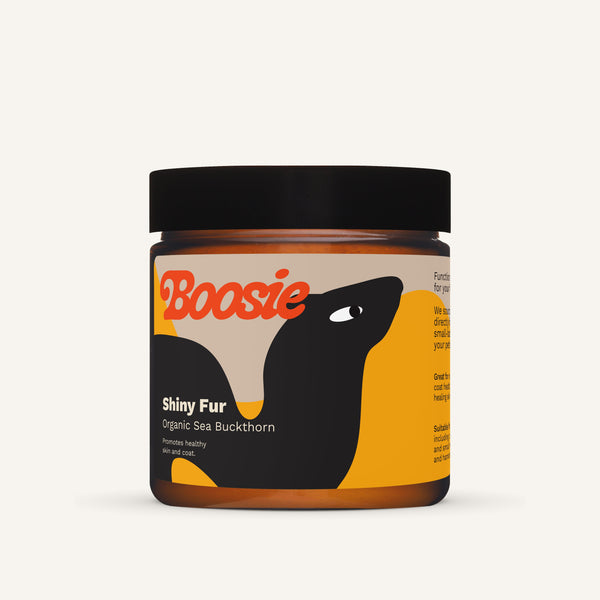
Here at Boosie, we offer a range of functional plant foods specifically designed to care for your cat’s coat. They’re easy to add to your pet’s normal wet food, and could help to reduce excessive shedding. For instance, chia seed oil is rich in ALA, a type of omega-3 fatty acid that supports skin and fur health. Meanwhile, sea buckthorn powder is bursting with antioxidants that protect their cells from damage. It also contains omega-7, vitamins C and E, folate, and beta-carotene, further looking after your kitty’s fluff.
On the other hand, if you think your cat’s shedding might be related to anxiety, ashwagandha powder could help. It acts as an adaptogen, helping reduce the negative effects of stress on the mind and body.(2)
We recommend consulting a vet before adding any functional foods to your pet’s diet, to check that the ingredient is right for their individual needs. This is especially important if they’re on any medication or have an existing health condition.
So, do cats shed more in the summer?
While our beloved kitties moult all year round, they normally experience seasonal shedding twice annually. The first instance is at the end of spring, as they shed their winter coat and grow their summer one. The second is at the end of autumn, when the process happens in reverse. This is a normal part of their hair cycle and helps them regulate their body temperature as the weather changes. While we can’t – and shouldn’t – stop it, we can manage it through regular grooming and good nutrition. And we’re sure you agree that the love of a cat is well worth some fluff on your clothes!


