

Our pups can be more sensitive to dietary alterations than you might expect. When changing dog food too quickly symptoms of an upset stomach are common. So how long does it take for a dog to adjust to new food? And what’s the best way to make the switch easy for them? That’s what we’re woofing about in today’s article!
Why might you need to change your dog’s food?
Before discussing the symptoms of changing dog food too quickly, let’s explore why you may have to alter your pooch’s diet. There are plenty of reasons to give your mutt new grub. It could be as simple as the company discontinuing or recalling your pet’s current food. Maybe the recipe has changed, and your pup is refusing to eat the new version. Or perhaps you’ve found a new, healthier, or more affordable brand that you want to try.
In addition, many people practise rotational feeding, which is where you regularly change the grub you give to your pet. The idea is that this offers your pooch more variety and helps them obtain a wider range of nutrients. Some claim that it reduces the risk of animals developing food allergies and intolerances too.
It’s also possible that your mutt might have to switch foods for health reasons. For example, they may develop an allergy to certain ingredients, or a medical condition that requires a special diet. If this is the case, your vet will be able to recommend a suitable food for your pet.
And then there are the times you need to change to a food more appropriate for your dog’s life stage. That could be transitioning from puppy food to adult dog food, or from adult food to grub for senior pups.
Whatever the reason for the swap, when changing dog food too quickly symptoms that might worry you can arise. This is why, whenever possible, it’s preferable to make a gradual transition from old chow to new.
-
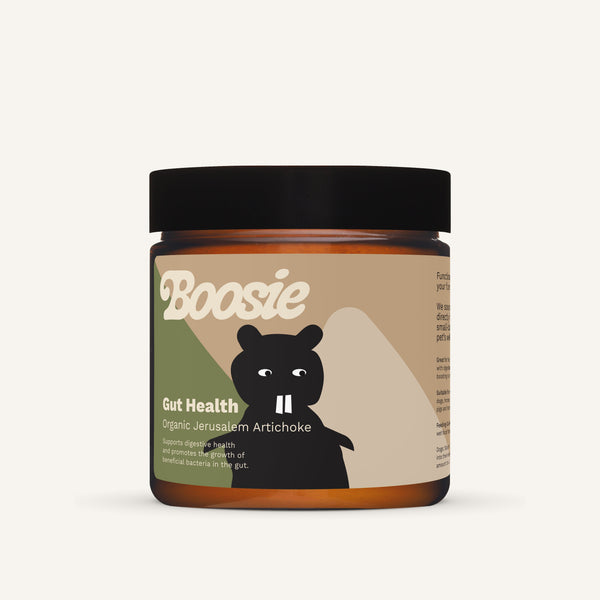
Organic Jerusalem Artichoke Powder
-

Organic Turkey Tail Mushroom Powder

Why you should change your dog’s food slowly
It’s easy to think that our pooches have iron stomachs. Lots of them seem to scavenge in the bin or forage out on walks with no ill effects. However, if you’re an experienced pup parent, you’ll know that digestive issues aren’t unusual in our canine companions! And this isn’t only the case when they gobble down something they shouldn’t be eating. For many mutts, abruptly switching to a different food can also result in tummy troubles.
Essentially, your pet’s gut needs time to adapt to new ingredients. Just like us, your dog has a complex ecosystem of microbes living in their digestive tract. As well as helping with digestion, the gut microbiome influences everything from the immune system to brain health.(1) A sudden alteration in diet can disrupt its delicate balance, causing digestive upset. When changing dog food too quickly symptoms like nausea, vomiting, or diarrhoea may occur. This is why experts recommend making dietary adjustments over a period of one or two weeks rather than instantly.
A gradual transition is particularly important if you know your dog has a sensitive stomach. Likewise, if the new food is very different from the old one, it will probably take them longer to adjust. For example, that might be switching from dry food to wet, or a brand that’s much higher/lower in fibre. Even changing to a new type of protein (e.g. going from beef to chicken or fish) may require more time. It can seem like a hassle, but it’s worth it to spare your pup from the symptoms of changing dog food too quickly!
How long does it take for a dog to get used to new food?
There’s no straightforward answer to the question ‘how long does it take a dog to adjust to new food?’. The length of time will vary depending on several factors. These include your pet’s individual health condition and stomach sensitivity, and how different the new food is to the old. However, as a general guideline, you can expect your pooch to need seven to ten days to change foods. Some picky eaters might require two weeks or more to make the switch to brand new grub.
Another factor to consider is how old your pet is. Puppies and senior pooches both tend to have more sensitive digestive systems and take longer to adjust to new food. This means that when changing dog food too quickly symptoms are more likely to arise.
The same is true if your mutt has existing digestive issues or has previously struggled with them. As such, if you know that your furry friend is susceptible to tummy troubles, you might want to speak to your vet before altering their diet. Don’t worry though – with a slow enough transition, you should be able to make the switch without any problems.
Signs your dog is struggling with an abrupt food change
So, how can you tell if you’re switching up your pet’s meals faster than you should? There are several warning signs to look out for that suggest you need to adopt a more gradual approach. When changing dog food too quickly symptoms related to the digestive system may flare up in your pooch. While they might seem like a cause for concern, in most cases they’re natural reactions to an abrupt dietary change. If you manage them well and slow down your introduction of the new grub, they should only be temporary.
Some of the most common symptoms of changing dog food too quickly include:
-
Vomiting
-
Diarrhoea
-
Gassiness
-
Abdominal pain (indicated by whining, a hunched posture, and a hard or tender stomach)
-
Changes in the colour or consistency of their faeces
-
Excessive drooling (this can be a sign of nausea or an upset stomach)
-
Lethargy
-
Loss of appetite or refusal to eat
Your pet may experience only one or two of these issues, or more if they’re particularly sensitive to dietary changes. If you notice any of these signs in your pooch, extend the transition process to the new food. Depending on the circumstances, this could mean going back to their old grub (if possible) and starting again. We’ll talk in more detail about the best way to switch foods below. But first, let’s discuss when the symptoms of changing dog food too quickly might indicate that your pup needs to see the vet.
When to be concerned about your dog’s reaction to a change in food
The symptoms of changing dog food too quickly we’ve mentioned above are normally nothing to worry about. They should only be mild, short-term issues, which clear up once you revert to your pet’s old food or they get used to the new one. However, if they persist for more than a couple of days or are very severe, book a vet appointment straightaway. It could be a sign of a more serious problem that requires treatment. This point is particularly relevant if you have a puppy or senior dog, or your mutt has an existing health concern.
Similarly, when changing dog food too quickly symptoms may arise that require immediate veterinary attention. These include:
-
Repeated vomiting (especially if accompanied by lethargy)
-
Blood in their faeces
-
Prolonged diarrhoea (this can lead to dehydration)
-
A complete refusal to eat for 24 hours
Another issue to watch out for is skin problems. If your pup is itching excessively or has patches of inflamed or red skin, this could indicate a food allergy. The same is true of ear infections and hair loss. These symptoms may mean your pet is having an allergic reaction to the new grub. The best course of action is to stop feeding it to them and take them to the vet.
If you have any concerns about your furry friend’s reactions when switching to a new food, consult your vet. They’ll be able to confirm whether they’re normal symptoms of changing dog food too quickly or a cause for concern.
Top tips for transitioning to a new dog food smoothly
When changing dog food too quickly symptoms can arise that are unpleasant for both you and your pooch. As such, the best option is to take things slowly. A gradual transition from the old grub to the new will lower the chances of an adverse reaction. How long does it take for a dog to adjust to new food? Normally between seven and ten days. With that in mind, here’s a step-by-step plan you can follow to make the switch as smooth as possible:
-
Day one – feed your pup meals consisting of roughly 10% new food and 90% old food
-
Day two – change to 20% new food and 80% old food
-
Day three – 30% new food and 70% old food
-
Day four – 40% new food and 60% old food
-
Day five – serve up an equal mix of old and new food
-
Day six – 60% new food and 40% old food
-
Day seven – 70% new food and 30% old food
-
Day eight – 80% new food and 20% old food
-
Day nine – 90% new food and 10% old food
-
Day ten – from today, only dish up the new food for your pet
Monitor your canine companion throughout this period to spot any symptoms of changing dog food too quickly. If they experience any unwanted reactions, slow down the transition even further.
Another way to help make switching to a new dog food easier is to stick to a regular feeding schedule. This is because altering your pet’s routine can be stressful for them. And if you’re moving from wet food to dry, ensure your pooch has plenty of fresh water available.
Is it ever appropriate to switch dog food instantly?
We’ve seen that when changing dog food too quickly symptoms may occur that aren’t fun for you or your pup. A gradual transition normally avoids or at least minimises these, so why would you rush the process? Well, sometimes you might not have a choice. For example, your pet’s current food could go out of production, or they may suddenly refuse to eat it. There’s also the possibility that your vet recommends an abrupt change in diet due to an allergy or health condition.
If you have to alter your dog’s diet swiftly, try to choose a new food that’s similar in flavour and texture to the old one. You could also mix in a probiotic to support their digestive system, like kefir or sauerkraut. And a little bit of plain pumpkin can be a great, fibre-rich choice to help with mild diarrhoea. However, if your pooch has an existing medical condition that’s prompting this dietary change, check with the vet first.
Boosie functional pet supplements for easy food transitions
Here at Boosie, we offer prebiotic functional pet foods that can support your dog’s digestive health when changing their diet. For example, our organic Jerusalem artichoke powder is rich in a type of fibre called inulin. This nourishes the good bacteria in their gut, helps them absorb more nutrients from their meals, and reduces the risk of digestive upset.(2) Alternatively, you could go for a medicinal mushroom like turkey tail. This is bursting with beta-glucan, another kind of prebiotic fibre that cares for your pup’s gut health.(3)
We recommend checking with your vet before adding any functional foods to your pet’s diet. Every animal is an individual, and it’s important to make sure these ingredients are suitable for your pooch’s needs.
Switching dog food the fuss-free way
It’s inevitable that you’re going to swap the type or brand of chow you feed your pooch at some point. However, when changing dog food too quickly symptoms like diarrhoea, vomiting, and flatulence are common. As such, it’s better to make the transition gradually over a period of one to two weeks. Other top tips include adding probiotic or prebiotic toppings to your pup’s meals and sticking to a regular feeding schedule. Following this simple advice can help ensure a stress-free experience for both you and your furry friend!


