

As anyone who has found a hairball or pile of half-digested kibble on the carpet will know, tummy troubles are not uncommon in our fluffy friends. But looking after your moggy’s gut is vital for both their digestion and other aspects of their wellbeing. So today, we’re exploring the ins and outs of cat gut health. We’ll discuss causes and symptoms of unhappy tummies, plus effective ways to keep your kitty’s digestive system in top shape. That’s sure to get your fur baby purring!
Getting to grips with your cat’s gut
To understand how to promote good gut health in cats, we first need to know more about their digestive system. On the surface, it performs all the same functions as our own: digesting food, absorbing its nutrients, and eliminating waste. However, because our kitties are obligate carnivores (meaning they must eat meat to survive), there are some key differences.
Meals move more quickly through your cat’s digestive system than yours, usually taking between 10 and 36 hours. This is because they have a short gastrointestinal tract that’s designed for a high-protein diet and rapid digestion of meat. Humans, on the other hand, are omnivores, so have a longer tract that’s able to extract nutrients from plant fibre.
Although digestion begins in the mouth, cats don’t need to chew their food as thoroughly as we do. They have strong stomach acid that can break down bigger pieces of grub, as well as bone, hair, and feathers. From there, the food passes into the small intestine. Here is where your moggy’s body absorbs most of the nutrients from their meals into their bloodstream. This occurs through the villi – finger-like projections that cover the lining of the small intestine. These dramatically increase the surface area of the organ, enabling it to absorb more nutrients.
Next, the undigested material moves into the large intestine. This absorbs water and electrolytes, and compacts waste into faeces. Not long afterwards, you find this in the litter tray! The colon is also where the gut bacteria ferment fibre that your kitty’s body can’t digest. These bacteria make up an ecosystem called the gut microbiome. This plays a crucial role in both cat gut health and several other aspects of feline wellness.
-

Organic Ashwagandha Powder
-

Organic Chia Seed Oil
-
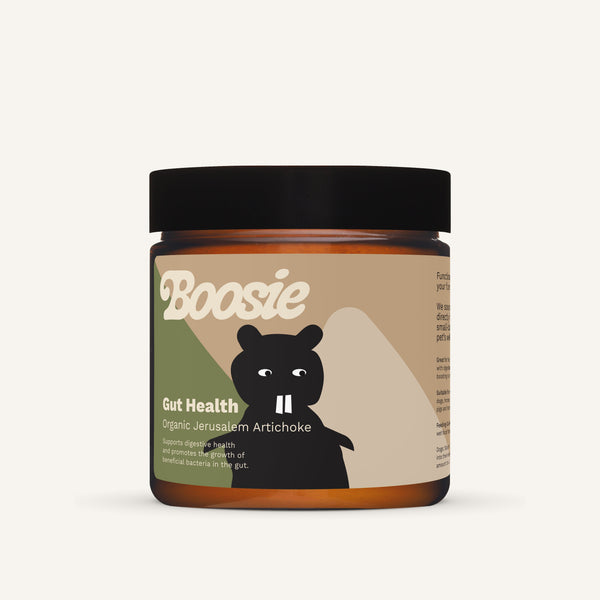
Organic Jerusalem Artichoke Powder


Why cat gut health is so important
Looking after your cat’s gut health is vital for many reasons. Most obviously, it helps to keep their digestive system running smoothly and their gut lining strong. A happy gut means a lower chance of tummy troubles, plus more effective nutrient absorption. And nutrients are key to pretty much every facet of wellbeing!
A less obvious reason gut health for cats is so important is that it supports their immune system.(1) Around 70% of your kitty’s immune cells are in their gut, and the bacteria there directly affect them. For example, the microbiome helps shape your moggy’s immune response by teaching the cells to differentiate between harmless substances and threats. This could reduce the risk of allergies and certain autoimmune diseases. The gut microbiome also blocks pathogens from entering the bloodstream. All of which means that poor gut health in cats can cause increased infections and longer recovery times from illness.
What’s really interesting is that your cat’s gut health influences their brain and mental health too.(2) One reason for this is that the microbiome is involved in producing neurotransmitters like serotonin, which affect your pet’s mood. It also helps regulate levels of the stress hormone cortisol. An imbalance in the microbiome (gut dysbiosis) could even have a negative effect on an animal’s cognitive capabilities.
And the brain isn’t the only organ outside the digestive system that gut health affects. Gut dysbiosis is also linked with an increased risk of heart disease, obesity, and kidney disease. Your cat’s gut health even influences the condition of their skin and fur. But how do you know if something’s not right with your fluffy friend’s microbiome?
Symptoms of poor gut health in cats
There are several warning signs to look out for that signify all may not be well in your kitty’s gut. The most obvious of these are tummy troubles such as:
-
Vomiting
-
Diarrhoea or poorly formed stools
-
Constipation or very dry and firm stools
-
Flatulence
-
Pain or bloating in the abdomen (they might adopt a hunched posture, guard their belly, or yowl when touched)
-
Excessive hairballs (these shouldn’t be a daily occurrence)
Other signs that may accompany these are bad breath, weight loss, or a change in appetite. Outside of the digestive system, symptoms of poor cat gut health include:
-
Lethargy
-
Behavioural changes like hiding away or not playing as often
-
Lack of grooming or over-grooming
-
Dry, brittle, or dull fur
-
Hair loss
-
Red, itchy, or irritated skin
-
Frequent infections
It’s also possible that your moggy might experience stress or anxiety due to gut dysbiosis. Signs of this include destructive behaviour, aggression, compulsive behaviour, restlessness, and going to the toilet outside the litter tray.
Our fluffy friends are very good at hiding their pain, so it’s important to keep a close eye on them. Along similar lines, knowing what’s normal and what’s not for your pet helps you spot red flags early on.
When to see a vet about cat gut health
The tricky thing with cat gut health is that the symptoms above can be caused by many different medical issues. As such, we recommend booking a vet appointment if you notice any of them. They’ll be able to ascertain whether it’s a tummy problem or something else. However, if your kitty experiences any of the following more serious symptoms, take them to the vet immediately:
-
Persistent diarrhoea or vomiting
-
Blood in the stool or vomit
-
Extreme tiredness
-
Complete refusal to eat or drink
-
Dark or tarry stools
-
Inability to pass faeces
-
Signs of dehydration (sunken eyes, dry gums, panting, skin tenting)
This is especially important for kittens, older moggies, and cats with existing medical conditions, as they are more vulnerable.
Causes of gut health problems in cats
Issues with cat gut health can arise for many reasons. For starters, some animals are more susceptible to tummy troubles because of age, health, or genetics. Certain illnesses and parasites wreak havoc on the gastrointestinal tract, and antibiotics sometimes cause dysbiosis by killing beneficial gut bacteria along with the bad ones.
It will come as no surprise that poor gut health in cats is often the result of dietary issues. Low-quality or inappropriate food, an abrupt change in diet, and eating something toxic can all harm the microbiota. So, no matter how sweetly they look at you, don’t let your moggy eat off your plate! And there’s a small chance that your pet’s stomach problems could be due to a food allergy. Proteins like beef and chicken are the most common culprits.
And then there’s stress. Just as this can be the result of bad gut health, it can also be the cause of it. Stress affects how quickly food moves through the gut, reduces blood flow to the digestive system, and causes inflammation.(3) It also weakens the feline immune system, suppresses appetite, and disrupts the balance of microbes in the gut.
But fear not, pet parents! Whatever is responsible for your kitty’s tummy troubles, there are things you can do to help.
Ways to boost cat gut health
Because many factors affect your moggy’s digestive system, keeping their gastrointestinal tract in top shape requires a multi-pronged approach. With that in mind, here are the most effective ways to support gut health for cats. Spoiler alert: it’s not all about diet!
Dietary tips for good cat gut health
While cat gut health isn’t all about diet, it is a lot about diet! It’s vital to choose a high-quality, digestible food that contains all the nutrients your fluffball requires. Look for one that’s labelled ‘complete’ and has a named meat protein (e.g. fish or chicken) as the first ingredient. Offering your moggy wet and dry food gives them the chance to enjoy the benefits of both. As well as protein and fibre, your kitty needs omega-3 and omega-6 fatty acids to care for their gut. Ingredients such as chia seed oil can be an effective way to add extra omega-3 to your pet’s diet.
Conversely, avoid foods that are full of fillers like meat by-products, artificial flavourings, sugar or sweeteners, and excessive carbs. A low-quality diet is much more likely to cause or exacerbate gut problems. And don’t let them swipe any grub from your plate! Lots of human-friendly ingredients are toxic to cats, including chocolate, onions, and garlic.
If you need to swap your pet’s food, we recommend making the switch gradually. Abrupt changes in diet can trigger tummy troubles, whereas a gradual approach lets their digestive system adjust. Finally, if you suspect a food allergy is what’s giving your moggy’s gut grief, consult a vet. They’ll be able to offer personalised advice on how to identify and eliminate the problem ingredient.
Probiotics and prebiotics for cats
Both probiotics and prebiotics can have a positive influence on cat gut health. The difference between them is that probiotics contain beneficial gut bacteria, while prebiotics feed beneficial gut bacteria.
What are probiotics for cats?
Probiotics top up the good bacteria in your pet’s gut and help restore the microbiome to a healthy balance.(4) They’re especially useful if your kitty has been unwell or has taken antibiotics. Many commercial cat foods include probiotic ingredients, or you can add a supplement to your moggy’s diet.
Should I give my cat yoghurt?
While probiotic yoghurt is a great choice for humans, we don’t recommend giving it to cats. Lots of kitties are lactose intolerant, so offering them yoghurt could upset their digestive system even more. It’s better to stick to probiotics specifically designed for our fluffy friends.
What are prebiotics for cats?
Prebiotics are types of plant fibre that your moggy’s body can’t digest. Instead, the good bacteria in their gut break them down. This process produces short-chain fatty acids (SCFAs) that keep the gut healthy. In this way, prebiotics nourish the beneficial bacteria in the gut and promote their growth. As with probiotics, lots of commercial cat foods contain prebiotic ingredients. However, if you want to add more to your pet’s diet, try offering them a tiny bit of sweet potato, pumpkin, or peas.
Another option is to mix some of our organic Jerusalem artichoke powder into their normal wet food. This is rich in inulin, a prebiotic fibre that supports cat gut health and immunity, plus boosts nutrient absorption.(5) Alternatively, you could try a medicinal mushroom, such as turkey tail, that’s high in beta-glucan. This is another kind of prebiotic fibre that encourages the growth of good bacteria while inhibiting that of bad bacteria.
Beyond diet: other ways to support your cat’s gut health
As well as making the right nutritional choices for your pet, you can help look after their digestive system by:
-
Ensuring they stay hydrated, especially if they mainly eat dry kibble. Place a few water bowls around your home (but not near the litter tray) and change the water daily. Some moggies prefer to drink running water, so consider getting a cat fountain.
-
Playing with your pet every day to help them stay active. Exercise keeps their bowels moving, reduces stress, and promotes healthy weight management.
-
Only giving your kitty antibiotics when the vet deems it necessary, as these disrupt the gut microbiome.
-
Grooming your fluffy friend regularly. This boosts their mood and prevents them from ingesting large quantities of hair, which can cause constipation.
-
Trying to minimise the amount of stress in your fur baby’s life. For example, provide them with cosy hiding spots and high vantage points, stick to a consistent routine, and leave out plenty of toys for mental stimulation. Ashwagandha powder can also help tackle stress and anxiety.(6)
Purrfect gut health for cats
Looking after your cat’s gut health is crucial because it affects so many aspects of their wellbeing. Fortunately, there are lots of simple but effective steps you can take to support their digestive system. These include feeding your kitty a balanced diet rich in prebiotics, and keeping them hydrated, active, and happy. With this approach, feline tummy troubles will soon be a distant memory!


