

Seeing how quickly your pooch gobbles down their dinner might make you wonder whether the rest of their digestive system is that fast! To satisfy your curiosity, in this post we’re exploring the speed of canine digestion. Buckle up!
How long does it take a dog to digest food? The details of doggy digestion
Typically, it takes about 6-10 hours for a dog to digest a meal and 1-2 days for their grub to move completely through their digestive system (i.e. to become poop). This is significantly faster than us humans, who take 24-72 hours to digest our dinner.
Most digestion happens in the stomach, where gastric juices break down the food over 4-8 hours. Then, the resulting paste (chyme) moves to the small intestine, where it’s further digested by enzymes and bile. Here, the body absorbs nutrients from the chyme into the bloodstream. Finally, undigested material travels to the large intestine, which extracts water and electrolytes from it, then forms it into faeces.
As you can see, the timeframe for digestion varies a fair bit. This is perfectly natural, and all down to the way the digestive system works.
-
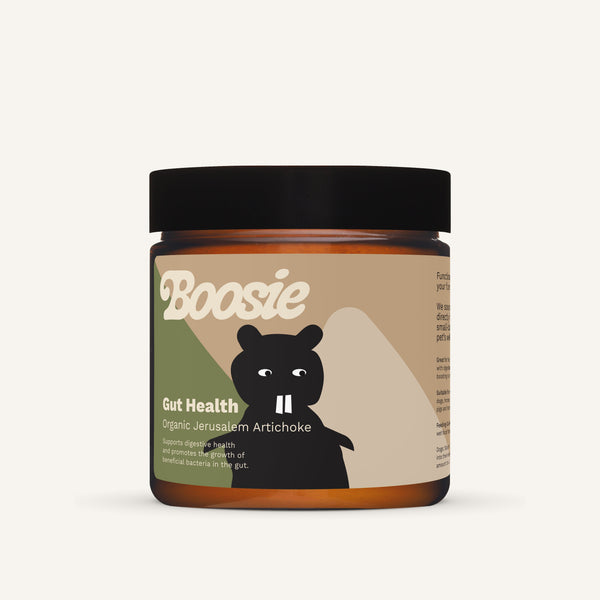
Organic Jerusalem Artichoke Powder
-

Organic Turkey Tail Mushroom Powder

Factors that influence a dog’s digestion speed
Lots of things affect how quickly your pup digests their meals. This means that what’s normal may differ from mutt to mutt, and sometimes even from day to day. Here are the most common factors that influence a pooch’s digestion time.
Size and breed
A dog’s size and breed can have a significant impact on how swiftly their digestive system works. More specifically, large mutts take longer (15+ hours) to digest their grub than small pups do (~4 hours). One reason for this is that little dogs have a faster metabolism. In addition, relative to their body weight, their digestive system is bigger (6-7% compared to 3-4%).(1) At the same time, they have a much shorter digestive tract than big pups in absolute terms.
All of which means that food leaves a small dog’s stomach more quickly than a large dog’s stomach. Meals pass through a big pooch’s intestines more slowly too. That allows more time for the gut microbiota to ferment dietary fibre. This has both pros and cons. It nourishes good bacteria and means they produce more short-chain fatty acids, which support the health of the colon. However, it can also lead to water retention and softer stools.(2) This sort of difference is why it’s important to feed your pet food that’s designed for their size.
Medical conditions and activity levels
Another way in which breed affects a dog’s digestion time is how active they are. Working dogs and energetic breeds like Huskies and Border Collies tend to digest their grub faster than sedentary pups. Exercise speeds up metabolism and gut motility, keeping food moving through the digestive system and breaking it down more quickly.
Having said that, it’s important to note that exercising immediately following a meal can slow or even stop digestion. This is because it directs blood flow away from the digestive system and towards the muscles instead. It could also cause vomiting and bloat, so always allow pups to rest for an hour or so after eating.
Being sedentary isn’t the only thing that might slow a dog’s digestion. If they have a chronic illness, this may make their digestive system less efficient too. The same is true if they’re dehydrated. Conversely, sometimes gut dysbiosis or problems like parasites can lead to the rapid transit of food through the GI tract and cause diarrhoea.
Age
How old your pet is will also affect the speed of their digestion. As a general rule, the younger your pooch, the faster and more efficiently their digestive system works.
How long does it take a puppy to digest food? Normally just 4-6 hours thanks to their high metabolism and gut motility. This is part of the reason why puppies need to eat more frequently than adult dogs – and poop more! And, similar to toy breeds, their stomachs are smaller and their intestines shorter than those of grown-up pups.
How long does it take a dog to digest food when they’re elderly? Usually 8-12+ hours. There are several reasons for this. Older pooches have a slower metabolism and are generally not as active. In addition, they don’t produce as many digestive enzymes and tend to have weaker muscles in the digestive tract. All of which means they often poop less frequently than younger dogs too.
Type of food
The final factor that influences how quickly your dog digests a meal is the grub itself. More specifically, our furry friends can digest wet food faster than dry biscuits thanks to its higher moisture content.
How long does it take a dog to digest wet food? On average, about 4-6 hours, but this will vary depending on the other factors we’ve discussed. How long does it take a dog to digest kibble? It’s likely to be between 8-12 hours, again depending on things like the size of your pup. Because the biscuits are denser and drier than wet food, it takes longer for your pet’s stomach acids and digestive enzymes to break them down.
In terms of specific ingredients, pooches digest those that are high in fibre and carbohydrates more slowly. That includes things like oats, brown rice, pumpkin, and sweet potatoes. Conversely, foods like boiled chicken, fish, eggs, and white rice move through the digestive tract more quickly.
And, of course, a larger meal will take more time to digest than a small one.
Why does my dog poop right after eating?
How long does it take a dog to digest food? The time varies, but it’s at least four hours, and often a lot longer. So how come our furry friends usually need to pop outside much sooner than that?
It’s common for dogs to defecate about 30 minutes after a meal. While this can make it seem like the food has gone straight through them that quickly, this isn’t the case. After all, we’ve just seen that they don’t digest their grub that fast. Instead, it’s all down to something called the gastrocolic reflex.
The gastrocolic reflex is a physiological process in which the act of eating triggers the urge to poop. As the stomach stretches, the body sends a signal to the colon telling it to evacuate any waste. Essentially, it’s like your pooch is making room for the food they’ve just eaten. It’s especially strong in puppies, which is why they often need to defecate as little as five minutes after eating.
Signs that your dog’s digestive system is healthy
Keeping your canine companion’s gut working smoothly and efficiently is important for all sorts of reasons. It ensures they absorb sufficient nutrients from their food, supports their immune system, and helps maintain their overall health. But how can you tell if your pup’s digestion is in tip-top shape?
One of the biggest clues is in their poo! Stools should be moist but firm, and easy to pass (in other words, no straining required!). It’s also a positive sign if their toilet habits are regular and consistent. Most adult mutts will defecate once or twice a day.
Aside from this, your pooch should have a good appetite, be at a healthy weight, and have sustained energy levels. Even factors like a shiny coat, bright eyes, and happy skin suggest their gut is working well.
Symptoms of digestive issues in dogs
There are a few warning signs to be aware of that might indicate an issue with your pup’s digestion. Some are mild, such as occasional soft stools, brief dips in appetite, or one-off vomiting. In most cases, these are nothing to worry about. More serious symptoms include:
-
Persistent vomiting, diarrhoea, or constipation
-
Abdominal pain or bloating
-
Foul-smelling flatulence
-
Blood or mucus in the stool
-
Complete loss of appetite
If you notice any of these, take your pet to the vet immediately. This is especially important if you have a puppy, senior pooch, or mutt with an existing medical condition, as they’re more vulnerable.
How to keep your dog’s digestive system running smoothly
Fortunately for both us and our furry friends, there’s lots we can do to help look after their digestive health. Unsurprisingly, much of it relates to what we feed them. For example, it’s important to choose high-quality, ‘complete’ dog food with a named protein source as the first ingredient.
And if you want to provide a little extra digestive support, you could consider adding inulin to your pup’s diet. This is a type of soluble fibre that acts as a prebiotic, nourishing the good bacteria in their gut.(3) Chicory root, lightly cooked asparagus, and our organic Jerusalem artichoke powder are all fantastic sources of inulin. Another fabulous form of prebiotic fibre is beta-glucan.(4) You’ll find this in oats, brewer’s yeast, and medicinal mushroom powders like our organic turkey tail.
Of course, it’s not all about the grub! Simple lifestyle changes could make a huge difference to your mutt’s digestive health too. For instance, stress has a significant negative effect on the gut. As such, it’s important to make sure our dogs feel relaxed. You can do this by sticking to a consistent routine, providing plenty of mental stimulation, and ensuring they always have a quiet spot to retreat to.
Two other key points that relate to what we said above about canine digestion speed are hydration and exercise. Keeping your pooch physically active and well hydrated will help ensure their digestive system functions smoothly and efficiently.
Should I check how long it takes my dog to digest food?
On average, dogs take between 6-10 hours to digest their food, and 1-2 days to get it out of their digestive system completely. However, there’s no need for you to know your dog’s exact digestion speed! The important thing is to understand what’s normal for your pup in terms of toilet habits and watch out for adverse gut-related symptoms. Other than that, do what you can to keep their digestive system happy and healthy!
Frequently asked questions
How long after eating does a dog poop?
Most dogs defecate about 30 minutes after they eat. That isn’t because they’ve already digested their meal though. It’s due to the gastrocolic reflex. This is when the act of eating and subsequent stretching of the stomach prompts the colon to increase motility. The gastrocolic reflex is especially strong in puppies, who may need to poop just five minutes after eating!
How many times a day should a dog poop?
Most healthy adult dogs will defecate once or twice a day. Puppies might go as many as five times a day, while senior mutts normally poop once daily. Factors like the type of food your pet eats and how active they are will affect how often they defecate. Consistency is more important than frequency, so make sure you know what’s normal for your dog. If their toilet habits suddenly change, speak to your vet for advice.
Can stress affect my dog’s digestion?
Yes, thanks to the gut-brain axis, stress has a significant effect on your dog’s digestive system. It can cause inflammation in the gut, leading to conditions like colitis. Stress also disrupts the motility of the colon, which may result in diarrhoea or constipation. And if your pup feels anxious, you’ll probably notice that they lose their appetite or become nauseous. What’s more, stress has a harmful impact on the gut microbiota. As well as causing digestive troubles, this is detrimental to your pet’s immune system.
When should I take my dog to the vet for digestive issues?
You should take your pup to the vet straight away if you notice blood in their stool or vomit, they collapse, or they’re in severe pain. The same applies if your dog has diarrhoea, constipation, or vomiting for 24 hours, or refuses to eat or drink. Puppies, senior pooches, and mutts with health conditions are more vulnerable, so get them seen after 12 hours. And if you know your pet has eaten something toxic, bring them in even if they’re not exhibiting any symptoms.


