

You might think that spotting when your pooch has an unhealthy gut is easy, but this isn’t always the case. Today, we’re discussing both obvious and subtle signs of bad gut health in dogs, and the reasons they may arise. We’ve also got some top tips on how to make doggy digestion troubles a distant memory!
All about your pup’s gut
Before we discuss symptoms of poor gut health in dogs, let’s dip our paws into canine biology. Knowing more about your pet’s digestive system can make it easier to identify when something’s wrong – and understand why. In turn, this gives us a better idea of how to support our dogs’ gut health.
The purpose of your pup’s digestive system is to digest food, absorb nutrients from it, and eliminate waste. This process begins in the mouth, where the teeth and saliva start to break down your pooch’s dinner. The grub then moves to their stomach. Here, acids and enzymes continue to digest the food. After that, it proceeds to the gut proper.
The small intestine is the organ that absorbs most of the nutrients from your dog’s meals. That includes protein, fats, carbohydrates, vitamins, and minerals. Although food moves through a mutt’s stomach more slowly than a human’s, it travels through their small intestine more quickly. Finally, what’s left progresses to the large intestine, which absorbs water and electrolytes. The colon then compacts anything that the body can’t make use of into waste (yep, that means poop!).
Within your dog’s gut is an ecosystem of bacteria that plays a crucial role in the digestive process. Known as the gut microbiome, it releases acids and sugars, ferments fibre, extracts nutrients, synthesises vitamins, and strengthens the gut lining. Not only that, but these bacteria also influence aspects of wellbeing that go far beyond digestion. This is why dog gut health (and human!) is so important.
-

Organic Turkey Tail Mushroom Powder
-
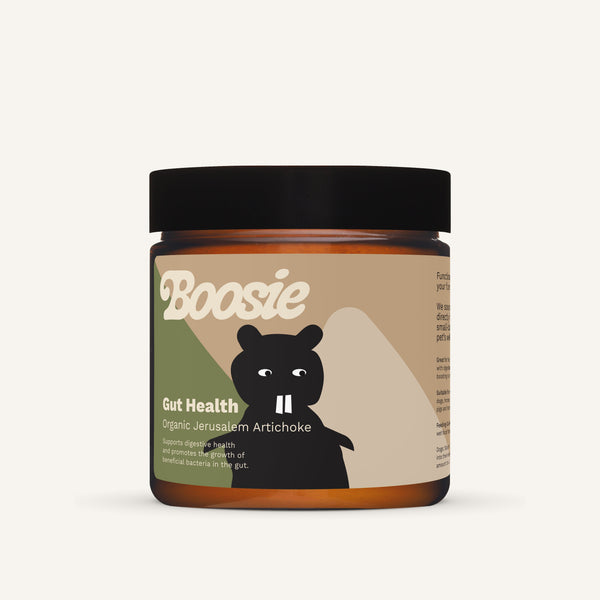
Organic Jerusalem Artichoke Powder

The importance of gut health for dogs
There are many reasons we need to be able to recognise and respond to signs of poor gut health in dogs quickly. The first is to ensure our pets’ digestive systems continue to function properly, and they don’t experience unpleasant tummy troubles. That one is pretty self-explanatory!
What’s less obvious is that your mutt’s gut health has a direct impact on their immune system.(1) Roughly 70% of your pooch’s immune cells are in their gut, and the bacteria there help regulate antibody production. They also share responsibility for fighting off pathogens and preventing them from entering the bloodstream. Interestingly, the gut microbiome even ‘teaches’ your pup’s immune cells to distinguish between threats and harmless substances. All of which means that poor gut health could make your pet more susceptible to infections. It might decrease their ability to recover from illnesses too.
Something that surprises many pup parents is that your dog’s gut health influences their brain and mental wellbeing too. As such, some symptoms of poor gut health in dogs are behavioural. One reason for this is that the gut microbiome contributes to the synthesis of hormones and neurotransmitters like serotonin. Both of these affect your pet’s mood and behaviour. In fact, studies have found a link between the presence of specific types of gut bacteria and increased aggression and anxiety in dogs.(2)
Finally, research suggests that gut dysbiosis (an imbalance in the microbiome) correlates with certain kinds of cardiovascular disease in canines.(3) So, what are the warning signs we need to be looking out for?
Signs of bad gut health in dogs
Poor gut health in our furry friends can manifest in a surprisingly wide variety of ways. That’s because, as discussed above, the condition of their gastrointestinal tract affects far more than their digestion. Some symptoms are obvious, while others are more subtle. As such, it’s important to know what’s normal for your pooch and what isn’t. With that in mind, here’s what to look out for.
Common symptoms of poor gut health in dogs
Perhaps the most frequent indication that something isn’t right with your dog’s gut health is chronic digestive troubles. This could include things like:
-
Vomiting
-
Diarrhoea
-
Bloating
-
Flatulence (often foul-smelling)
-
Constipation
-
Abdominal pain (you may notice them whimper when you touch their belly, become restless, or adopt the ‘praying’ position)
-
A noisy stomach
-
Blood or mucus in their stools
-
Weight loss or weight gain
-
Loss of appetite
Another possible symptom is bad breath not caused by dental problems. This occurs because of an overgrowth of harmful bacteria, which ferment food and release unpleasant-smelling gases and compounds.
Outside of the digestive system, signs of poor gut health in dogs include:
-
A weakened immune system (for example, your pup might get frequent infections)
-
Joint pain (this happens when gut dysbiosis leads to leaky gut syndrome, and toxins enter the bloodstream and trigger inflammation)
-
Lethargy and weakness
-
Dry, flaky skin
-
Itching
-
Dull or brittle fur
-
Hair loss
-
Dehydration
Finally, bad gut health in dogs can cause behavioural issues such as increased anxiety, aggression, depression, stress, and reactivity. One reason for this is that gut dysbiosis disrupts the production of neurotransmitters that regulate mood.(4) In addition, if your pooch is experiencing unpleasant physical symptoms, it’s bound to affect how happy they feel.
When to see a vet about dog gut health
If you notice any of the symptoms of poor gut health in dogs that we’ve mentioned, it’s best to book a vet appointment. That’s because they might be a sign of another underlying medical condition that needs addressing. Some symptoms are more serious than others, so take your pet to the vet immediately if you spot any of the following:
-
Severe or constant vomiting or diarrhoea
-
Red or black tarry faeces
-
Extreme lethargy, weakness, tenderness, or pain
-
A complete refusal to eat or drink
This is especially important if you have a puppy, senior pooch, or dog with existing medical conditions.
What causes poor gut health in dogs?
Now we know what the symptoms of poor gut health in dogs are, let’s examine the reasons they might arise. Lots of things can play havoc with your pet’s gut microbiome. For example, certain medicines and illnesses may disrupt the balance of beneficial bacteria. And some animals are prone to tummy troubles due to factors like age and genetics.
Unsurprisingly, dietary issues are among the most common causes of difficulties with dog gut health. Everything from poor-quality grub and food intolerances to abrupt changes in diet can be problematic. Stomach problems might also result from your mutt eating something they shouldn’t, like table scraps or the contents of the bin!
Ever noticed that your gut gives you trouble when you’re feeling stressed? The same is true for our pets. Stress and anxiety can cause inflammation, compromise the immune system, and decrease the amount of good bacteria in the gut. This often becomes a vicious cycle, because poor gut health further increases stress and anxiety.
Happily, whatever is behind your pup’s gut woes, there are steps you can take to help.
How to look after your dog’s gut health
A lot of things affect the condition of your pet’s gastrointestinal tract. That means looking after your pooch’s gut involves both making the right nutritional choices and ensuring they’re living a healthy lifestyle in other ways. Here’s how to make symptoms of poor gut health in dogs a thing of the past!
Dietary tips to boost gut health in dogs
It goes without saying that what your mutt eats has a wolf-sized impact on their digestive system. You want to choose high-quality, digestible dog food that’s rich in whole foods. For example, that means top-notch animal protein like chicken and fish, plus natural fibre from ingredients such as pumpkin and sweet potato. Micronutrients like omega-3 fatty acids, antioxidants, vitamins, and minerals also contribute to good dog gut health.
Conversely, you want to avoid feeding them grub that has lots of additives like artificial colours and flavours. It’s sensible to steer clear of foods that are high in sugar and salt too. Low-quality meals can have a negative effect on your pet’s gut microbiome.
If you decide to change your pup’s food to improve their gut health, do so slowly. This will allow their digestive system to get used to the new grub and helps avoid tummy troubles. And if you suspect your pooch has a food allergy or intolerance, speak to a vet about how to proceed.
The difference between probiotics and prebiotics for dogs
Adding prebiotics and/or probiotics to your mutt’s diet can be highly effective at supporting their gut health. They both have a positive influence on the microbiome, though they function in different ways. The key distinction is that probiotics contain beneficial bacteria, while prebiotics feed beneficial bacteria.
Probiotics are particularly useful after your pooch has been ill or on antibiotics. That’s because antibiotics often kill off both good and bad bacteria, while symptoms like vomiting and diarrhoea disrupt the microbiome. You can buy specific probiotic supplements for dogs, or try offering your mutt small amounts of yoghurt or kefir.
Prebiotics are a form of fibre that your pet’s body can’t digest. What happens instead is that the good gut bacteria ferment the fibre, producing beneficial compounds like short-chain fatty acids (SCFAs). Lots of pup-friendly foods act as prebiotics, including pumpkin, beans, sweet potato, apples, and oats.
Luckily, you don’t have to choose between probiotics and prebiotics because they work synergistically. Just remember that if you’re adding ingredients to your pet’s diet, you’ll need to reduce the amount of kibble or wet food you feed them to avoid weight gain.
Inulin and dog gut health
One of the best prebiotics for reducing symptoms of poor gut health in dogs is inulin. A type of soluble fibre, it nourishes the beneficial bacteria in the gastrointestinal tract. When they ferment inulin, the process produces SCFAs like butyrate, acetate, and propionate. This lowers intestinal pH, which enhances the absorption of minerals from food. Furthermore, butyrate expands the gut’s surface area by lengthening the villi, further increasing the amount of nutrients it can absorb.(5)
Chicory root, dandelion root, and Jerusalem artichoke are all brilliant sources of inulin.(6) An easy option is to add our organic Jerusalem artichoke powder to your pup’s normal wet food. As well as looking after the gut microbiome, it could help with blood sugar regulation and healthy weight management.
Beta-glucan for gut health in dogs
Another kind of soluble gut-friendly fibre that works to reduce symptoms of poor gut health in dogs is beta-glucan. Research shows it has a positive effect on the microbiome, reduces intestinal inflammation, and can help treat canine IBD.(7) In addition to caring for the gut, beta-glucan supports cardiovascular health and the immune system.(8)
Plenty of ingredients contain beta-glucan, including oats, medicinal mushrooms, and yeast. However, if good dog gut health is your primary goal, we recommend our organic turkey tail mushroom powder. This fab fungus helps beneficial bacteria thrive while hindering harmful ones, plus lessens inflammation and increases nutrient absorption. It also contains two polysaccharides – PSP and PSK – that modulate the immune system.
Beyond diet: other ways to support gut health in dogs
As well as feeding your pet the right things, try the following tips to look after their gut health:
-
Make sure they always have access to fresh, clean water. Staying hydrated helps keep the digestive system moving.
-
Try to reduce the amount of anxiety and stress in your pup’s life. For example, stick to a consistent daily routine and provide a safe and cosy space for them to retreat to. Plenty of mental enrichment is also key!
-
Take your pooch on lots of walks. Being active helps with weight management, digestive function, and gut microbiome diversity.
-
Ensure your mutt is up to date with their vaccinations and parasite treatments.
Mastering gut health for dogs
Right, we’ve yapped enough for today! The key takeaway is that the symptoms of poor gut health in dogs are surprisingly varied. That’s because the gut affects so many aspects of canine wellbeing. Fortunately, from minimising stress to stocking up on prebiotic hero ingredients, you’ve got plenty of ways to keep your furry friend’s microbiome in pawsome shape!


