

There’s no denying the importance of fibre for canine nutrition. But how do we ensure our pets are getting enough of this key macronutrient? Today, we’re discussing the best high-fibre foods for dogs and how to add them to your pup’s meals. Get ready for happy tummies and wagging tails!
The benefits of fibre for dogs
Fibre is non-negotiable when it comes to your furry companion’s diet. It’s famously important for digestion, helping to keep our pets’ bowel movements regular and healthy. But the macronutrient does far more than that. For example, fibre also supports weight management by keeping your pooch feeling fuller for longer. This lessens the likelihood of them overeating and reduces the risk of obesity.
Fibre even plays a role in blood sugar regulation. It slows down the absorption of sugar into the bloodstream, which prevents spikes in blood glucose. This is especially beneficial for dogs who have diabetes or are at risk of developing the condition.
Finally, high-fibre foods for dogs are key to the health of the canine gut microbiome. And a diverse and flourishing microbiome supports not only digestion but also the immune system. It even has a positive effect on your pup’s mood and behaviour! All of which means there are plenty of reasons to add roughage to your mutt’s diet.
-
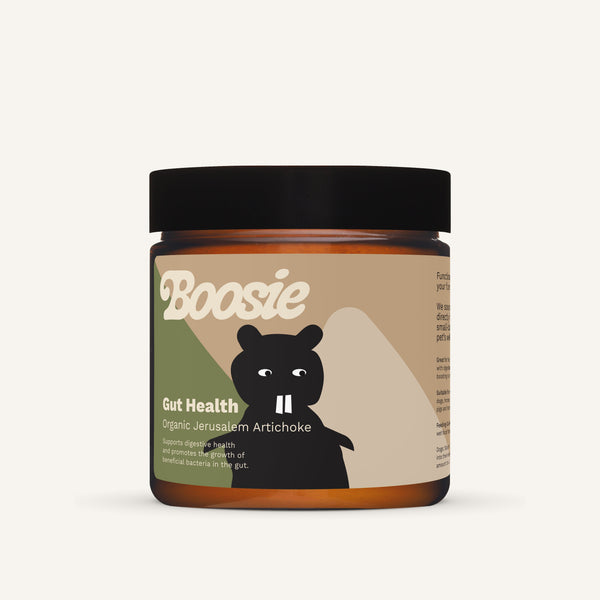
Organic Jerusalem Artichoke Powder
-

Organic Turkey Tail Mushroom Powder

Fibre foods for dogs: soluble vs. insoluble fibre
There are actually two types of fibre that your pup should be eating: soluble fibre and insoluble fibre. They both offer benefits for digestive health and other aspects of canine wellbeing, but function in slightly different ways.
As the names imply, soluble fibre dissolves in water whereas insoluble fibre moves through the gastrointestinal tract largely intact. Soluble fibre forms a gel-like substance in the gut and acts as a prebiotic, slowing digestion and nourishing the good bacteria in the microbiome. Insoluble fibre adds bulk to the stool and keeps the digestive system moving, increasing satiety and preventing constipation.
Most entries on our list of high-fibre foods for dogs contain both types, making it easy to ensure your pet is consuming enough of each.
Signs your dog isn’t getting enough fibre
It’s clear that fibre is a vital part of your fluffy friend’s diet. But how do you know if they’re eating sufficient amounts of it? Some symptoms to look out for that can arise because of insufficient dietary fibre include:
-
Constipation
-
Straining to defecate
-
Diarrhoea
-
Weight gain or constant hunger
-
Flatulence
-
Bloating
-
Vomiting
-
Scooting (dragging their bum across the floor – often a sign of a problem with their anal glands)
You might also notice your pup eating grass to satisfy a craving for fibre or relieve digestive troubles.
Because these signs can result from other medical issues, it’s important to take your mutt to the vet if you spot them. They’ll be able to advise you on possible causes of your pet’s symptoms and what to do next. If the vet agrees it’s due to a lack of roughage, try adding some of the following high-fibre foods for dogs to their meals.
The best high-fibre foods for dogs
Luckily for our furry friends, there are plenty of fibre-rich ingredients we can safely add to their diet to boost their intake of roughage. And luckily for us, most of them are affordable and widely available. Here are nine wholesome and tasty high-fibre foods for dogs to pop on your shopping list:
1. Pumpkin
Let’s start with a classic. Pumpkin is such a good high-fibre food for dogs that vets often recommend it for easing mild digestive troubles. It’s also a common ingredient in commercial pet foods. You can offer your pooch plain canned pumpkin or pumpkin purée, but avoid those with added sugar or spices.
Another option is to cook some fresh pumpkin for your pup. Be sure to peel it first and remove the seeds, then roast or boil the flesh until it’s soft. Allow it to cool to room temperature, then mash it up and add it to your mutt’s bowl. Never use butter, oil, or other seasonings, as these can be harmful to our pets. It’s also best to steer clear of raw pumpkin, as this is hard for animals to digest. As well as soluble and insoluble fibre, pumpkin is rich in vitamins A, C and E, plus iron and potassium.
2. Sweet potato
Just as its fibre content makes sweet potato healthy for us humans, the ingredient is a nutritious addition to your dog’s meals too. So it’s no surprise that you’ll find it in lots of shop-bought pet foods. When preparing the spud at home for your pup, start by washing and peeling it before cooking it thoroughly. Once cool, you can either cut it into small pieces or mash it up. Like with pumpkin, never add any seasonings to sweet potato if you’re giving it to your pet.
In addition to being a wonderful high-fibre food for dogs, sweet potato is stuffed full of vision-supporting beta-carotene. And as a complex carbohydrate with a low GI index, it provides your pooch with a steady source of energy. Perfect for those pups who love long walks and lots of playtime!
3. Jerusalem artichoke
A lesser-known but no less impressive high-fibre food for dogs, Jerusalem artichoke is bursting with inulin. This is a type of soluble fibre that acts as a prebiotic and nourishes good bacteria in the gut. When these microbes ferment it, the process produces short-chain fatty acids like butyrate, which support digestive health.(1) Looking after the gut microbiome also has a beneficial effect on the canine immune system and even their mental health.
The easiest way to add Jerusalem artichoke to your pet’s diet is in powder form. You simply mix the appropriate amount into their normal wet food. For our organic Jerusalem artichoke powder, that’s a maximum of one teaspoon per 5kg of their body weight a day. Other good sources of inulin include chicory root, bananas, and lightly cooked asparagus. As well as fibre, Jerusalem artichoke is chock-full of B vitamins, antioxidants, and minerals like iron and potassium.
4. Medicinal mushrooms
Another type of soluble fibre that offers our furry friends a wealth of potential wellness benefits is beta-glucan. You’ll find this in foods such as oats, seaweed, brewer’s yeast, and mushrooms. Like inulin, it functions as a prebiotic. Research shows that beta-glucan can support doggy digestion, immunity, heart health, and more.(2)
Medicinal mushroom powders are an easy and effective way to add beta-glucan fibre to your pet’s diet. All you need to do is stir the correct quantity into their usual wet food. For example, our organic turkey tail mushroom powder is a fabulous option for supporting gut health. As well as beta-glucan, it contains compounds called PSP and PSK that increase nutrient absorption and lower inflammation in the GI tract.
5. Whole grains
Whole grains are brilliant high-fibre foods for dogs, and two of the best options are oats and brown rice. As with many of these ingredients, you need to cook these grains before offering them to your pet. They should also be plain and unseasoned.
Your pet’s body breaks down whole grains slowly, which means they act as a sustained energy source. Not only that, but they’re rich in other wellness-enhancing nutrients besides fibre. These include B vitamins, certain amino acids, and minerals like magnesium, manganese, iron, and zinc.
6. Legumes
Lots of varieties of beans and lentils count as healthy high-fibre foods for dogs. That includes red lentils, brown lentils, kidney beans, edamame, black beans, chickpeas, butter beans, and haricot beans. Like whole grains, you must fully cook legumes before adding them to your pet’s meals and not use any seasonings. This means you shouldn’t give your pooch baked beans, refried beans, or other beans in sauces.
As well as fibre, legumes are jam-packed with amino acids and vitamins A, C, and K. They’re also rich in minerals like calcium, magnesium, potassium, phosphorus, and iron. Because of this, they can support several other aspects of wellbeing too, such as muscle maintenance.
7. Green veggies
It’s not just us humans who should eat our greens! There are tons of vegetables that are nutritious sources of fibre for dogs. For example, broccoli and spinach are cheap and cheerful options that are high in fibre and low in calories. Plus, they’re bursting with vitamins A, C, and K, along with minerals like calcium.
Always remember to wash vegetables thoroughly before offering them to your pup. Steaming ingredients like broccoli and spinach can also help make them more digestible. Finally, moderation is important. Both of these greens contain isothiocyanates, which may cause stomach upset if your mutt gobbles them down in large quantities.
8. Carrots
This bright orange veggie is one of the most pup-friendly ingredients you’ll come across! Carrots are an amazing source of both soluble and insoluble fibre for dogs, benefitting everything from weight management and digestion to heart health. Not only that, but they’re also bursting with beta-carotene, which supports your mutt’s vision and skin health. As a bonus, lots of pooches love the crunchy nature of raw carrots! Don’t worry if yours doesn’t though, because you can always steam the ingredient for your pet.
When giving your furry friend carrots, it’s best to wash the vegetable first and then chop it into small pieces. Offering them a whole carrot may pose a choking hazard. You then either add the chopped carrot to their dinner or feed it to your pup as a snack.
9. Apples
The final high-fibre food for dogs on our list is the humble apple. All varieties of this fruit are rich in the macronutrient, as well as great sources of vitamin C. They also contain vitamin A, potassium, and antioxidants like quercetin. Interestingly, the ingredient can even help to freshen your pet’s breath.
Apples are ideal as both a snack and a meal topper for our pups. It’s fine to leave the skin on – in fact, this part has the most fibre. However, don’t let your mutt eat the core, stem, or seeds. And because the fruit has a relatively high natural sugar content, moderation is key!
How to add new foods to your dog’s diet
It’s tempting to fill your pup’s bowl with these high-fibre foods for dogs, but that isn’t the best approach. Instead, think of them as extra treats to supplement your pet’s normal diet. Experts recommend that these ingredients should only make up about 10% of your mutt’s calorie intake. The rest should come from a complete and balanced commercial dog food.
We also suggest that you consult a vet before adding functional foods like medicinal mushrooms to your furry friend’s meals. This is especially important if your pet has an existing health condition or is on medication. Because these plants are quite potent, you need to make sure they’re suitable for your pup’s individual needs.
One last pro tip: add new ingredients to your mutt’s diet gradually. This helps you avoid the tummy troubles that sometimes arise when you drastically alter what your pup eats.
Is it possible to give dogs too much fibre?
We’ve spoken a lot about the benefits of fibre, but is it possible to have too much of a good thing? In this case, the answer is yes. Excessive fibre consumption can cause digestive difficulties like constipation, diarrhoea, flatulence, bloating, vomiting, and weight loss. It may also result in dehydration, so it’s important to ensure your pet is drinking enough water. If you have any questions about how much roughage your pooch should be eating, talk to your vet.
Final thoughts on fibre for dogs
To sum up: fibre is a crucial part of your pup’s diet, supporting everything from digestion and immunity to weight management and blood glucose regulation. If you buy top-quality dog food, you probably don’t need to worry about your pet getting enough roughage. However, safe and nutritious high-fibre foods for dogs can be a helpful way to boost your pet’s intake. These include whole grains, legumes, fresh veggies like sweet potato, carrot and pumpkin, and functional ingredients like Jerusalem artichoke. The best option will likely be whichever your beloved pooch is happiest to munch on!


