

An effective and well-functioning immune system is crucial for your pet’s wellbeing. It protects them from all sorts of bacteria, viruses, and other pathogens, helping to prevent infection and ward off disease. A robust immune system also enables animals to heal more quickly if they get hurt or fall ill. So it’s fair to say it’s pretty important! That’s why today we’re discussing how you can keep your pup’s immune system strong and healthy.
What is the best natural immune support for dogs?
The most effective way to support your pet’s immune system is through a holistic approach. For instance, in addition to feeding your pooch a nutritious diet, you need to make sure they get regular exercise. Keeping their stress levels to a minimum and encouraging plenty of naptime is also beneficial. And for some extra immune support, you could give your mutt functional foods like reishi or turkey tail medicinal mushrooms.
-

Organic Reishi Mushroom Powder
-

Organic Turkey Tail Mushroom Powder
-

Organic Ashwagandha Powder
-
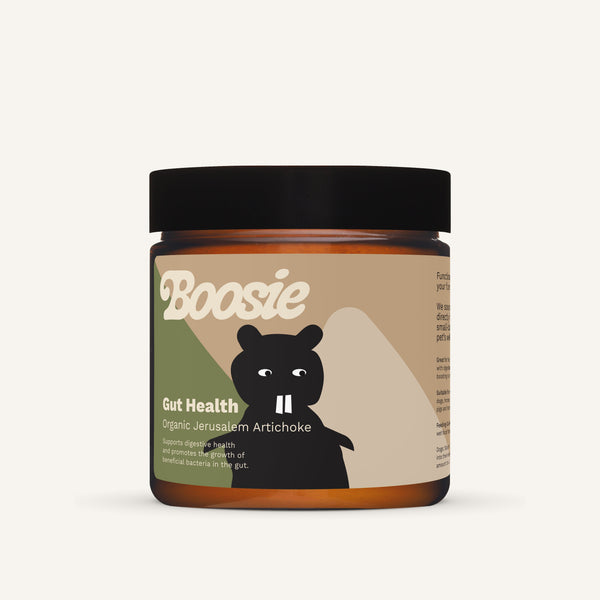
Organic Jerusalem Artichoke Powder


How your dog’s immune system works
Your pet’s immune system is extremely complex, but you can think of it as having three main components. First, there are physical barriers, like the skin, that stop harmful substances from entering the body. Second, there’s innate immunity. This is an immediate and non-specific response, where white blood cells attack and destroy invaders while also triggering inflammation. Third, there’s adaptive immunity. This develops over time as the body learns to handle specific pathogens, either through vaccination or natural exposure. It involves creating tailored antibodies to target particular antigens for a more effective immune response.
How does the gut affect a dog’s immune system?
It’s vital not to overlook the gut when it comes to immune support for dogs. Approximately 70% of their immune system is in their gut, and the microbiome helps fight off pathogens and regulate the production of antibodies. The bacteria even ‘teach’ your pooch’s immune cells to differentiate between harmless substances and threats.(1) And the lining of your mutt’s digestive tract acts as a physical barrier, preventing pathogens from entering the bloodstream.
Signs your dog’s immune system may need support
That covers the basics of canine immunity. But how do you know if your pup’s immune system is in tip-top shape or needs some help?
There are several warning signs to look out for that could indicate your pooch’s immune system is weak or compromised. Does your pet get frequent ear, skin, or urinary tract infections? This suggests their immune system is struggling to keep bacteria in check. Similarly, you might want to explore immune support for dogs if your mutt has slow-healing wounds or prolonged illnesses.
Other indications of an overwhelmed or unbalanced immune system include unusual fatigue, weight loss, or lack of appetite. It’s hard to feel lively when all your body’s energy is going towards fighting infections or managing chronic inflammation! Hair loss and a dull or dry coat may also be the result of a weakened immune system.
Digestive troubles like vomiting and diarrhoea are another key indicator that your pet’s immune system needs some assistance. As we said above, the gut and the immune system are very closely linked. If one is weak, it can negatively affect the other. For instance, an impaired immune system might be unable to prevent an overgrowth of bad bacteria in the gut. It can also cause leaky gut, a syndrome where the intestinal lining becomes more porous. This allows harmful bacteria and toxins to enter the bloodstream.
It’s important to stress that none of these symptoms are proof that your pet’s immune system needs support. However, if you notice any of them, it might be a good idea to chat with your vet about the possibility.
The foundations of a healthy canine immune system
Lots of different factors affect how well your pup’s immune system functions. As such, a broad approach is vital when it comes to providing immune support for dogs. Here are the most important things to consider:
Nutrition
Diet is central to good immune health in pups, just as it is for us. Many micronutrients and macronutrients play key roles in supporting immunity, so you need to make sure your pooch is getting enough of them.
For example, our mutts require high-quality protein to provide the amino acids necessary for creating antibodies and repairing tissue. Vitamin C helps stimulate the production of white blood cells, while vitamin E protects immune cell integrity. Both also act as antioxidants, defending these cells against oxidative stress.(2) Meanwhile, zinc reduces inflammation, stimulates the activity of T-cells, and regulates the function and development of white blood cells. Thanks to their anti-inflammatory properties, omega-3 fatty acids are another vital nutrient to look out for.
And then there’s the gut microbiome. Unsurprisingly, the food your pooch eats has a direct impact on the bacteria in their digestive system. Probiotics help by introducing good bacteria to the gut, while prebiotic fibre nourishes those already there.
This sounds like a lot, but high-end commercial dog food should contain all the nutrients your pup needs. Plus, you can top up their intake by adding select functional foods or supplements to their meals if necessary.
Exercise and weight management
One of the most effective ways to provide immune support for dogs is to ensure they stay active. There are many reasons for this. First, physical activity boosts circulation, which helps to distribute immune cells throughout the body. That means they’re ready to respond quickly to any potential threats. What’s more, exercise lowers cortisol and provides mental stimulation. That’s positive because both stress and boredom weaken immunity.
Exercise also has a notable impact on inflammation. Studies show moderate activity can positively affect immune responses by regulating cytokines and decreasing pro-inflammatory markers in the blood.(3)
Staying active helps keep your mutt’s weight under control too. This reduces the risk of many chronic diseases that put a strain on their immune system. In addition, obesity harms immunity because excess fat tissue produces pro-inflammatory cytokines and hormones like leptin.(4) This can cause immune dysregulation and dysfunction, leaving animals more susceptible to infections and disease. Fortunately, losing weight should reverse these negative effects and restore immune function.
A crucial caveat to this is that overexertion through excessively long or intense exercise will actually suppress the immune system. Aim for regular walks and play sessions tailored to your pet’s age, breed, and fitness level. If you’re unsure how much exercise your pooch needs, chat to your vet.
Sleep and stress
You’ve probably noticed that your immune system doesn’t work as effectively when you’re stressed or don’t get enough sleep. Well, the same is true for our pets.
Chronic stress causes the body to release high levels of cortisol. This hormone suppresses immune function, increases inflammation, and reduces white blood cell production.(5) All of which leaves your pup more vulnerable to infection and less able to heal effectively from injuries and illness. What’s more, stress has a negative impact on gut health. Excess cortisol inhibits the good bacteria there while allowing harmful ones to flourish. And as we saw above, this is bad news for the immune system.
Sleep is a crucial part of immune support for dogs because it’s one way in which the body counteracts stress. It’s also when cells regenerate, tissue repairs, and inflammation lessens. In addition, while your mutt sleeps, their body is hard at work producing antibodies and protective cytokines. Deep sleep in particular helps to strengthen the adaptive immune response.
If your pooch struggles with stress or separation anxiety, there are ways you can help. Create a quiet, cosy, safe space for them to retreat to, and ensure they get sufficient mental and physical exercise. Sticking to a consistent routine is useful too, because change and unpredictability are nerve-wracking for our beloved pets.
Functional foods to support your dog’s immune system
Functional foods can be a great way to boost your pet’s intake of specific nutrients and provide a little extra immune support for dogs. For instance, fish oil is bursting with inflammation-fighting omega-3 fatty acids. Meanwhile, canine probiotics could help correct microbial imbalances in the gut after a course of antibiotics. And if it’s prebiotics you’re interested in, Jerusalem artichoke powder is full of gut-friendly inulin fibre.
Some of the best functional foods for supporting your dog’s immune system are medicinal mushrooms. These are rich in a type of fibre called beta-glucan. Not only does beta-glucan act as a prebiotic, but it also stimulates certain types of immune cells. These include lymphocytes, macrophages, and natural killer cells.(6)
Reishi mushroom powder is especially effective for offering immune support to dogs because it can promote good sleep too.(7) It even helps look after their liver health. Alternatively, turkey tail mushroom powder contains two potent compounds that support immunity: PSP and PSK. Studies suggest these may have anti-tumour effects, though further study is necessary to clarify this.(8)
Finally, if you think stress is wreaking havoc on your pooch’s immune system, ashwagandha powder could help. Research shows the herb can significantly reduce cortisol levels and symptoms of anxiety in our furry friends.(9) What’s more, it lessens inflammation and oxidative stress, plus increases the activity of white blood cells. Amazing!
We recommend consulting your vet before adding any new functional foods or supplements to your pet’s diet. This is to check that they’re suitable for their individual needs. Doing so is especially important if your pooch has an existing health condition or is on any medication.
Supporting immunity in older dogs
Immune support for dogs becomes even more relevant as your pup gets older, because immunity weakens with age. This is a natural process known as immunosenescence, and it leads to a decreased immune response. That leaves senior pooches more vulnerable to disease and infection, plus makes vaccines less effective.(10)
While it’s impossible to prevent immunosenescence completely, you can slow down and manage it by applying the tips above. A healthy diet, regular gentle exercise, and stress management only become more important for elderly pets. And it's sensible to take them to the vet for frequent check-ups, to ensure you catch and treat any problems early. Medicinal mushrooms and the other functional foods we’ve talked about could also help keep your mutt’s immune system functioning well.
How effective is this kind of immune support for dogs?
There’s no such thing as a perfect immune system. Likewise, there’s nothing we can do that will prevent our pets from ever feeling unwell. However, following the guidance in this post should help give their immune system the best chance of keeping them healthy.
For the most effective immune support, implement as many of these strategies as possible. That means feeding your pup a nutritious diet, exercising them regularly, and keeping their stress levels low. And if your dog has an existing health condition, speak to your vet for personalised advice. Little changes really can make a big difference to your pooch’s wellbeing and quality of life!
Frequently asked questions
What is the best immune booster for dogs?
Some of the best supplements for supporting a dog’s immune system are omega-3 fatty acids (e.g. fish oil), antioxidants, probiotics, and prebiotics (e.g. Jerusalem artichoke). Medicinal mushrooms like turkey tail and reishi are also fantastic choices for looking after canine immunity. If stress is weakening your pup’s immune system, ashwagandha might be helpful too.
What are the signs of a weak immune system in dogs?
Some of the most common signs that your dog’s immune system is weak or impaired include frequent infections and slow wound healing. Other symptoms to watch out for are persistent lethargy, weight loss, recurrent gastrointestinal issues, and a dull or dry coat. Fever and changes in behaviour could also indicate that your pooch needs some immune support.
How can I support my senior dog’s immune system naturally?
To look after your older pet’s immune system, try to minimise stress and make sure they get daily gentle exercise. You should also take them for regular veterinary check-ups and feed them high-quality food designed for senior mutts. Functional foods like medicinal mushrooms and supplements like fish oil can help provide immune support for dogs as they age.


